Why Laravel is the best framework to build your app from scratch to millions

If you want to build a product that starts small and scales fast, you need a framework that keeps life simple in the early days and strong when traffic explodes. That is why Laravel stands out. It is clean, expressive, and packed with features that take you from your first prototype to an app that serves millions of users without switching stacks or rewriting everything.

Why Laravel is the best framework comes down to three things. Speed, structure, and scalability.

Why Laravel is the best framework for building scalable applications

Laravel makes starting small insanely fast

When you’re building the first version, speed matters more than anything. Laravel gives you that right out of the box.

You get:

  • clear routing
  • simple controller structure
  • Blade templates that beginners and experts both enjoy
  • Eloquent ORM that removes 90% of SQL boilerplate
  • built-in auth scaffolding
  • artisan commands for every repetitive task

You write less code. You ship faster. You stay focused on the product, not the plumbing.

You can host Laravel on cPanel without pain

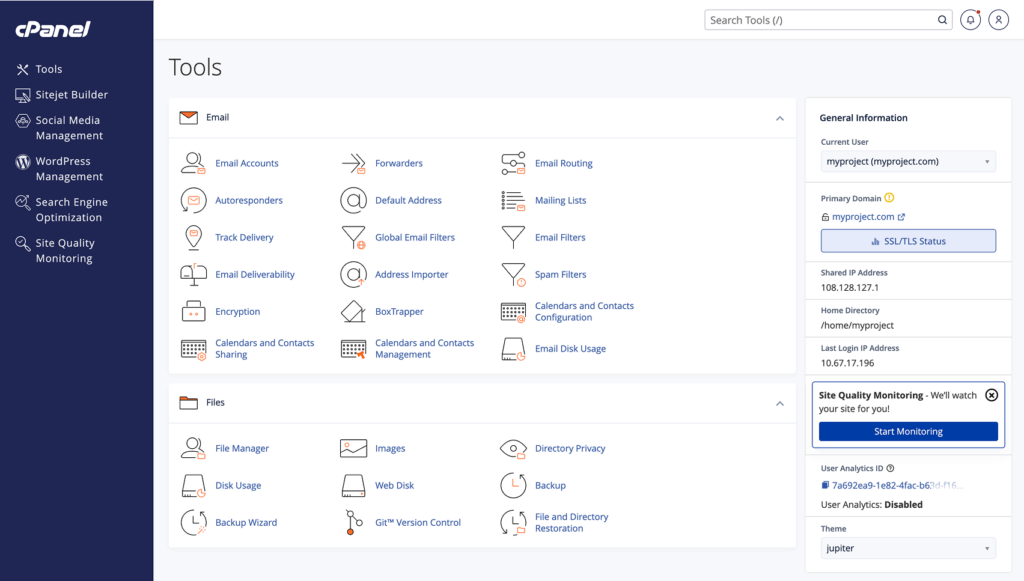
Many developers think you need a large cloud setup to run a Laravel app. You do not. Laravel runs smoothly on shared hosting, VPS hosting, and yes, even cPanel.

This fits perfectly with a strategy that keeps infrastructure cheap in the early days. You can start with a simple cPanel hosting plan and upgrade later when the product grows.

Why cPanel works for Laravel:

  • PHP support out of the box
  • Easy file uploads
  • Cron jobs for scheduled tasks
  • Database tools for MySQL and MariaDB
  • Low monthly cost

Start cheap. Move fast. Keep your budget for marketing and client acquisition.


Laravel scales when you are ready for growth

Laravel is not only for small projects. It handles growth with ease.

At scale you can add:

  • Queues with Redis or RabbitMQ
  • Event broadcasting with WebSockets
  • Horizontally scaled workers
  • Optimized caching
  • Load balanced environments
  • Server side rendering with Inertia or Livewire

The beauty is that you do not change frameworks. You simply grow into the tools. This is a huge reason why Laravel is the best framework for long term products.


The ecosystem is unmatched

Laravel is more than a framework. It is a full ecosystem built for real business needs.

Tools like:

  • Laravel Forge for server management
  • Laravel Vapor for serverless hosting
  • Laravel Nova for admin panels
  • Laravel Cashier for subscriptions
  • Laravel Scout for search
  • Laravel Horizon for queues

You can start with none of them. You can add them when you need them. They remove months of development time.


The community makes everything easier

A strong community keeps your project moving. Laravel has one of the most active communities in the world. You will find packages for almost anything. You will find tutorials, courses, and answers to every question.

When you build with Laravel, you never feel stuck.


From idea to millions without switching stacks

This is the real power of Laravel. You start with a simple idea. You launch the first version using cheap hosting. You grow your user base. You scale your infrastructure only when the product demands it. You do all of this with the same framework.

This is the heart of why Laravel is the best framework for founders, freelancers, and teams that want to build something real.

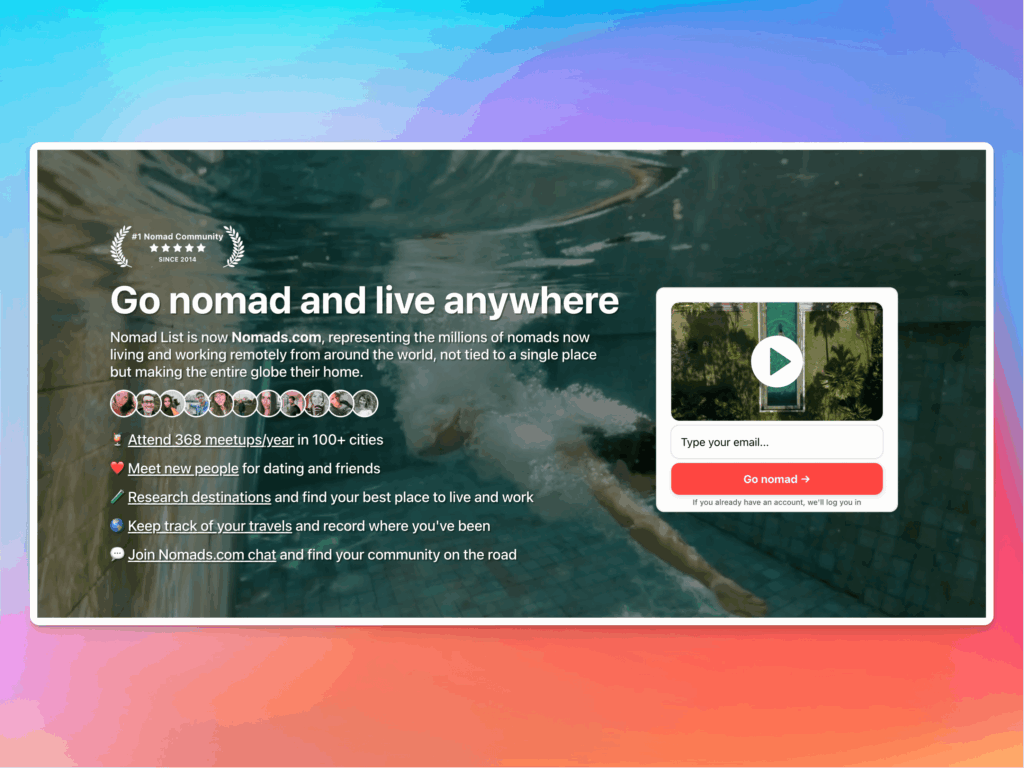

Why the Pieter Levels story matters for anyone building real projects on a budget

Pieter Levels is one of the clearest examples that you do not need tons of infrastructure — or a big team — to build a profitable, scalable online business.

He earns millions a year — by some reports around US$ 2.7–3.5 million per year from his portfolio of digital products — all while operating lean, solo, with minimal hosting overhead.

His path gives a useful roadmap: you can start cheap, stay nimble, and grow only when your audience and revenues truly demand it.


How Pieter keeps his costs low — and why that works

Minimal infrastructure, maximum simplicity

  • Pieter uses simple technologies: PHP, vanilla JS / jQuery — no heavy frameworks or complex stacks.
  • He hosts his sites on a few VPS servers (like Linode or similar), not on a full-blown cloud infrastructure with costly scaling.
  • His setup runs with basic tools like Nginx, simple back-end and front-end code, and minimal dependencies — enough to serve his apps reliably.

Launch fast, iterate quickly

He follows a “ship fast” mentality. Instead of building huge, feature-packed apps from day one, he builds small MVPs (minimum viable products), tests ideas quickly, and then improves only what works.

This reduces wasted time and server load, and avoids spending on infrastructure before you know the idea works.

Automate and scale only when needed

Pieter automates much of what he can — job boards, user flows, payments, maintenance — so he doesn’t need a big team.

When a product gains traction, he scales deliberately. Until then, the infrastructure remains small.


What this means for you — and why cheap hosting + hustle can work

If you are building a web app, side project, SaaS or digital product, Pieter shows you don’t need a big budget.

  • Start with a small VPS or even shared/cheap hosting.
  • Use basic tech — avoid overengineering early on.
  • Focus on building something people want, not on complex architecture.
  • Automate, avoid unnecessary overhead, keep margins high.
  • Once you get paying users and real traction, then scale.

This approach keeps risk low, cash flow manageable, and lets you concentrate resources where they matter: development, growth, marketing.


Why many people misunderstand “cheap hosting” — and how to avoid the traps

It is true that cheap hosting can have downsides: slower performance, possible downtime or support issues, weaker security depending on provider.

That means if you choose this path, you should:

  • Monitor performance and usage from day one
  • Use simple, efficient code (minimize heavy dependencies)
  • Optimize for speed, caching, and efficiency
  • Be prepared to upgrade only when your traffic and business needs truly grow

The idea is not to always stay minimal. The idea is to stay smart — avoid wasting money on infrastructure before the value is there.


What you can learn from Pieter — in short

  • Success does not require complex stacks or big teams.
  • Lean, minimal infrastructure + smart business sense can scale.
  • Build for real demand, not hype.
  • Keep costs controlled; invest what matters.
  • Focus on customers and value rather than tech complexity.

The Truth About Deploying Web Apps: It Is Not As Complicated As the Platforms Say


If you spend any time around developer platforms like Vercel, Railway, or similar services, you will see one message repeated again and again: deployment is “hard”, hosting is “messy”, and you need their platform to avoid pain. It is a smart marketing angle, but it is not the full story.

The truth is simple. Deploying a PHP or Node.js application is nowhere near as difficult as the ads make it sound. You do not need a custom cloud deployment layer or a managed runtime to get your app live. In many cases, you can ship your project using tools you already understand.

cPanel Still Works, and It Works Well

While modern hosting companies push sleek dashboards, cPanel remains one of the most approachable and reliable ways to bring a web app online. It is not fancy, but it is effective.

You can:

  • Upload your PHP or Node.js project directly.
  • Configure environments without wrangling a dozen platform-specific settings.
  • Add domains, manage databases, and review logs with a few clicks.

For small to mid-sized projects, cPanel is more than enough. It is familiar, stable, and widely supported.

CI/CD Is Not Exclusive to the Big Platforms

A big part of the “deployment is hard” story is tied to automation. Platforms like Vercel position themselves as the only effortless way to trigger builds and ship updates. That is not true.

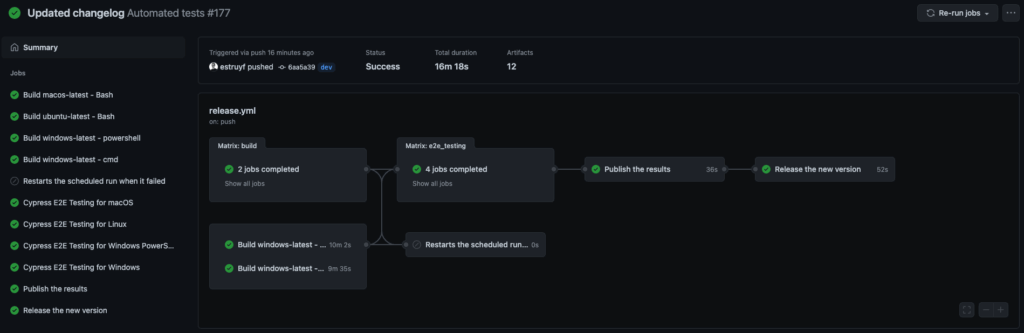
GitHub Actions lets you create a full CI/CD pipeline without paying for extra features. It can:

  • Build and test your application on every commit.
  • Deploy to cPanel or any traditional server.
  • Run automated workflows that mimic what commercial platforms offer.

You control the pipeline, the environment, and the process. No lock-in and no hidden limits.

Why the Marketing Strategy Works

To be fair, platforms like Vercel and Railway offer real value. They simplify serverless deployments and give teams a polished experience. But a big part of the sales pitch depends on one idea: everything outside their platform is painful.

That idea makes sense from a marketing standpoint. If people believe deployment is complicated, they will pay for convenience. But believing the message is different from reality.

What Developers Actually Need

What most developers want is:

  • Clear documentation
  • Predictable hosting
  • A workflow they understand
  • Reasonable pricing

You can get all of that without adopting a specialized platform. Sometimes the easiest route is the one that has been here for years.

Final Thoughts

Modern platforms are helpful, but they are not the only path. Deploying a PHP or Node.js app on cPanel works. Setting up CI/CD with GitHub Actions works. You can ship fast, stay flexible, and avoid the pressure to adopt tools you do not need.